
WiFi 7 arrives in Spain: speeds, requirements and compatible devices
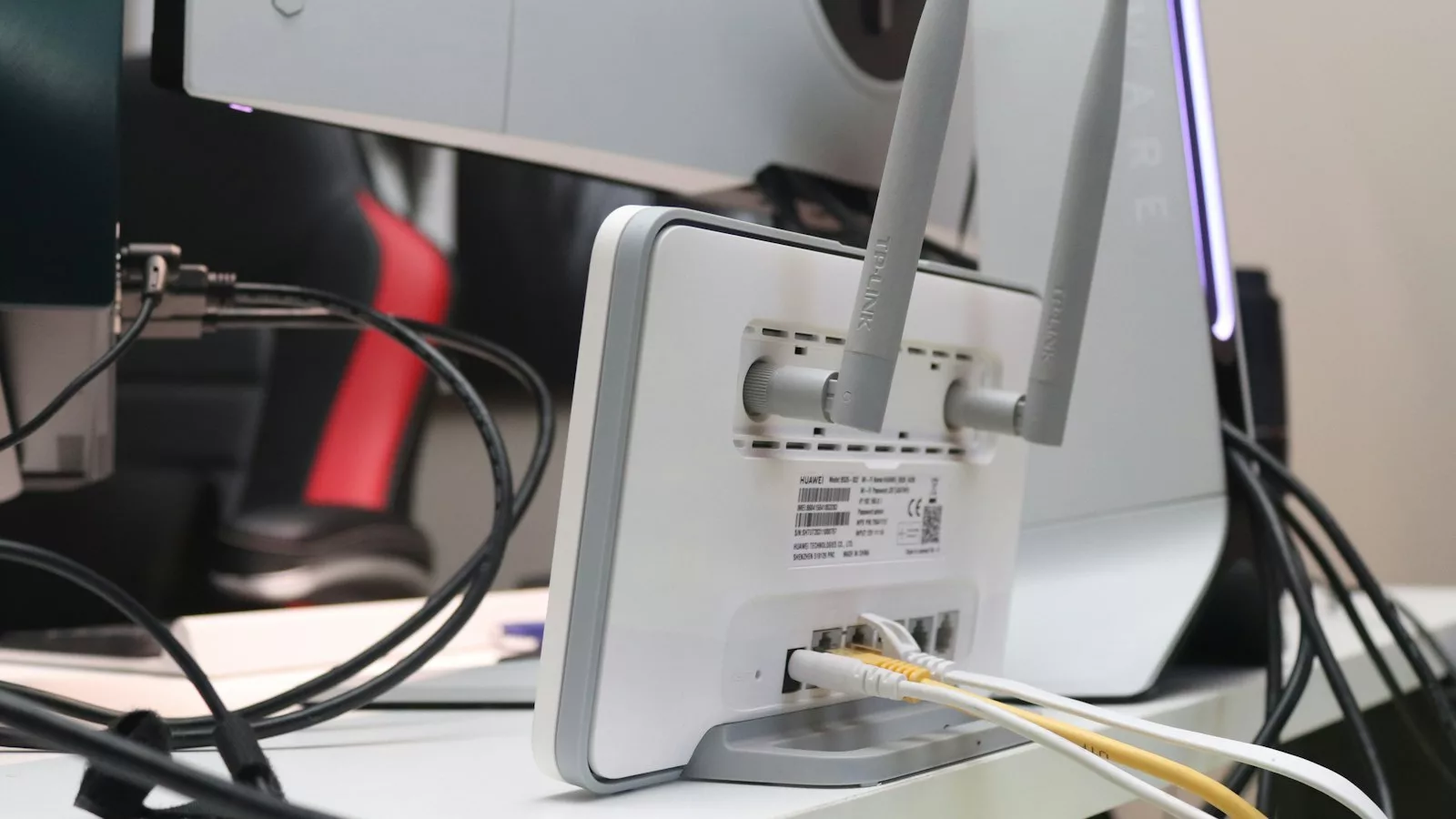
Introduction to WiFi 7
With the constant evolution of wireless technology, WiFi 7 presents itself as the next major revolution in connectivity. This new standard promises even faster speeds, lower latency and better management of multiple connections. With its arrival in Spain, it is important to understand what improvements it brings, what devices are compatible and what is needed to enjoy its benefits.
WiFi 7 speeds and improvements
WiFi 7, also known as IEEE 802.11be, promises speeds of up to 30 Gbps, a significant improvement over WiFi 6, which reaches up to 9.6 Gbps. This speed is achieved thanks to optimized use of the frequency spectrum and the use of wider channels, which can reach up to 320 MHz.
Lower latency and greater efficiency
In addition to speed, WiFi 7 improves latency, which is crucial for real-time applications such as online gaming and video conferencing. It also offers more efficient management of multiple connections, allowing more devices to connect simultaneously without losing quality.
Requirements to take advantage of WiFi 7
To enjoy the benefits of WiFi 7, you need to have a router compatible with this standard. In the Spanish market, several manufacturers have already announced models that support WiFi 7, although their availability may vary. Additionally, the devices to be connected (such as smartphones, tablets and computers) must also be compatible with this standard.
Backward compatibility
One of the advantages of WiFi 7 is its backward compatibility. This means that devices that support WiFi 7 will also work with previous standards, such as WiFi 6 and WiFi 5, although they will not take full advantage of the new standard's improvements.
Devices compatible with WiFi 7
Some manufacturers have already begun launching WiFi 7 compatible devices. Brands like ASUS, TP-Link and Netgear have announced routers that support this standard. As for mobile devices, it is expected that major smartphone manufacturers will integrate WiFi 7 compatibility in their next flagship models.
Update existing devices
For those who do not want to change devices immediately, it is important to note that WiFi 7 USB adapters could be a viable option to update laptops and desktop computers without native compatibility.
Conclusions
WiFi 7 represents a significant leap in wireless connectivity, offering higher speeds, lower latency and better management of multiple devices. Although its full implementation in Spain will take time, the transition has already begun. Being informed about the requirements and compatible devices will allow users to be ready to adopt this new technology when it becomes available.