
6 GHz spectrum auction: what's at stake for 5G and WiFi in Spain
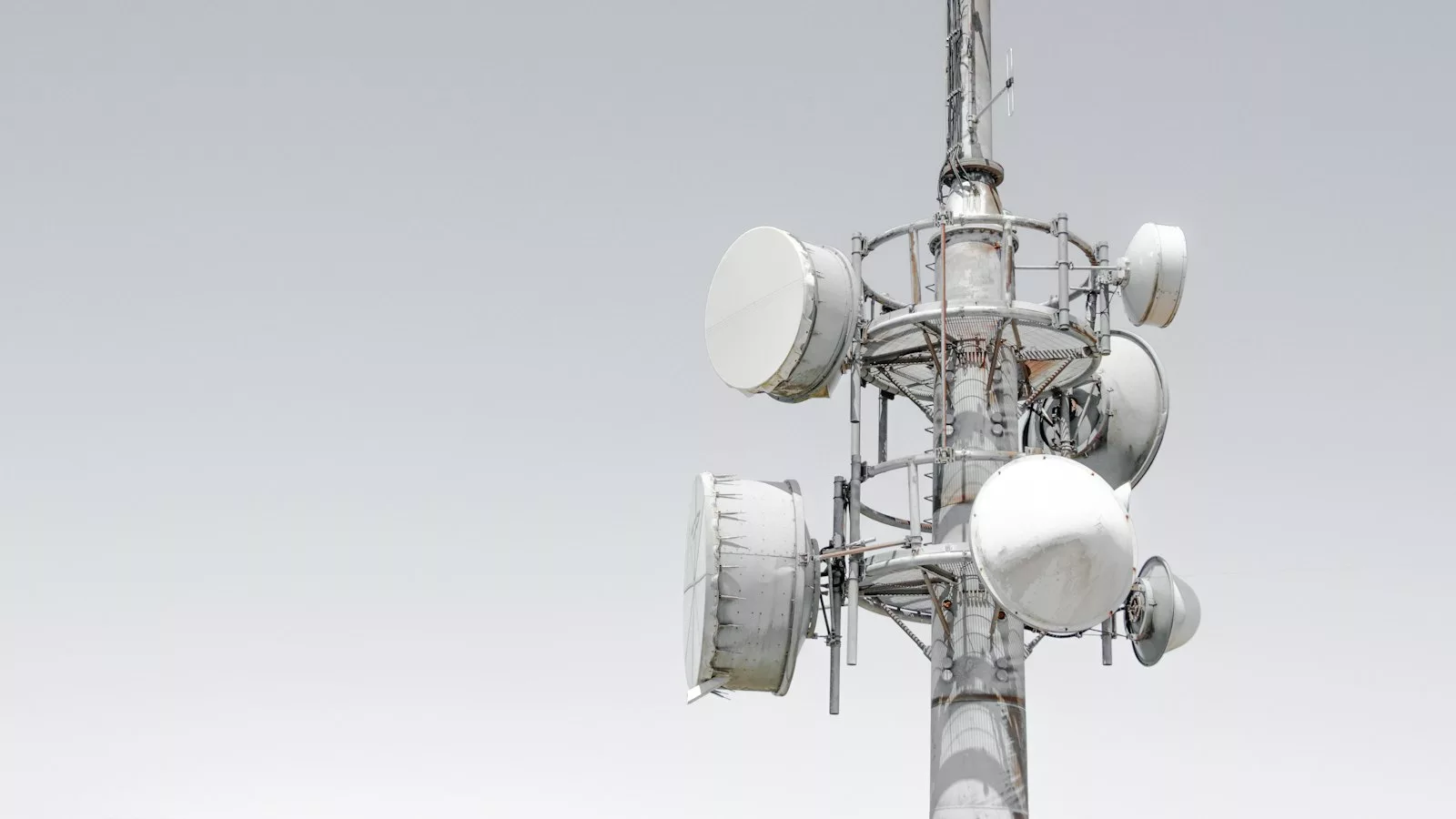
Introduction to the 6 GHz spectrum
The 6 GHz spectrum has become a hot topic in the telecommunications sector. This frequency range offers significant opportunities for both 5G deployment and WiFi evolution, making it a coveted resource for operators and service providers.
What is the 6 GHz spectrum?
The 6 GHz spectrum covers frequencies ranging approximately from 5.925 MHz to 7.125 MHz. This range has historically been used for services such as microwave links, but has recently been opened for new applications, especially in the field of 5G and WiFi.
Impact on 5G
The 6 GHz spectrum auction is crucial for the future of 5G in Spain. As the demand for mobile data continues to increase, operators need more bandwidth to deliver high-speed, low-latency services. The 6 GHz spectrum offers a potential solution, allowing operators to increase the capacity of their 5G networks.
Benefits for operators
With more spectrum available, operators can improve the coverage and quality of their networks. This is especially important in densely populated urban areas where data traffic is more intense. Additionally, the 6 GHz spectrum can facilitate the implementation of services such as the Internet of Things (IoT) and connected vehicles.
Impact on WiFi
The 6 GHz spectrum also plays a significant role in WiFi evolution. With the introduction of WiFi 6E, which operates in this frequency range, home and enterprise wireless networks can experience notable improvements in terms of speed and capacity.
Advantages of WiFi 6E
WiFi 6E enables faster and more stable connections by reducing congestion in traditional 2.4 GHz and 5 GHz bands. This is especially beneficial for applications that require high data transmission, such as 4K video streaming and virtual reality.
What to expect from the auction in Spain?
In Spain, the 6 GHz spectrum auction is scheduled for the coming months, and fierce competition is expected among major operators. As the government sets the framework for the auction, priority will be given to balancing revenue maximization with fostering market competition.
Challenges and considerations
One of the key challenges is ensuring that the spectrum is used efficiently and does not become concentrated in the hands of a few players. Additionally, technical aspects must be considered, such as coexistence with pre-existing services and the need to develop compatible infrastructure.
Conclusion
The 6 GHz spectrum auction in Spain represents a unique opportunity to advance the deployment of next-generation communication technologies. For both 5G and WiFi, this spectrum is fundamental to meeting the growing demand for high-speed connectivity. At Bivid Telecom, we are closely monitoring these developments to understand how they will impact the market and our services.