
Rural connectivity plan 2026: the Government distributes aid and expands fiber
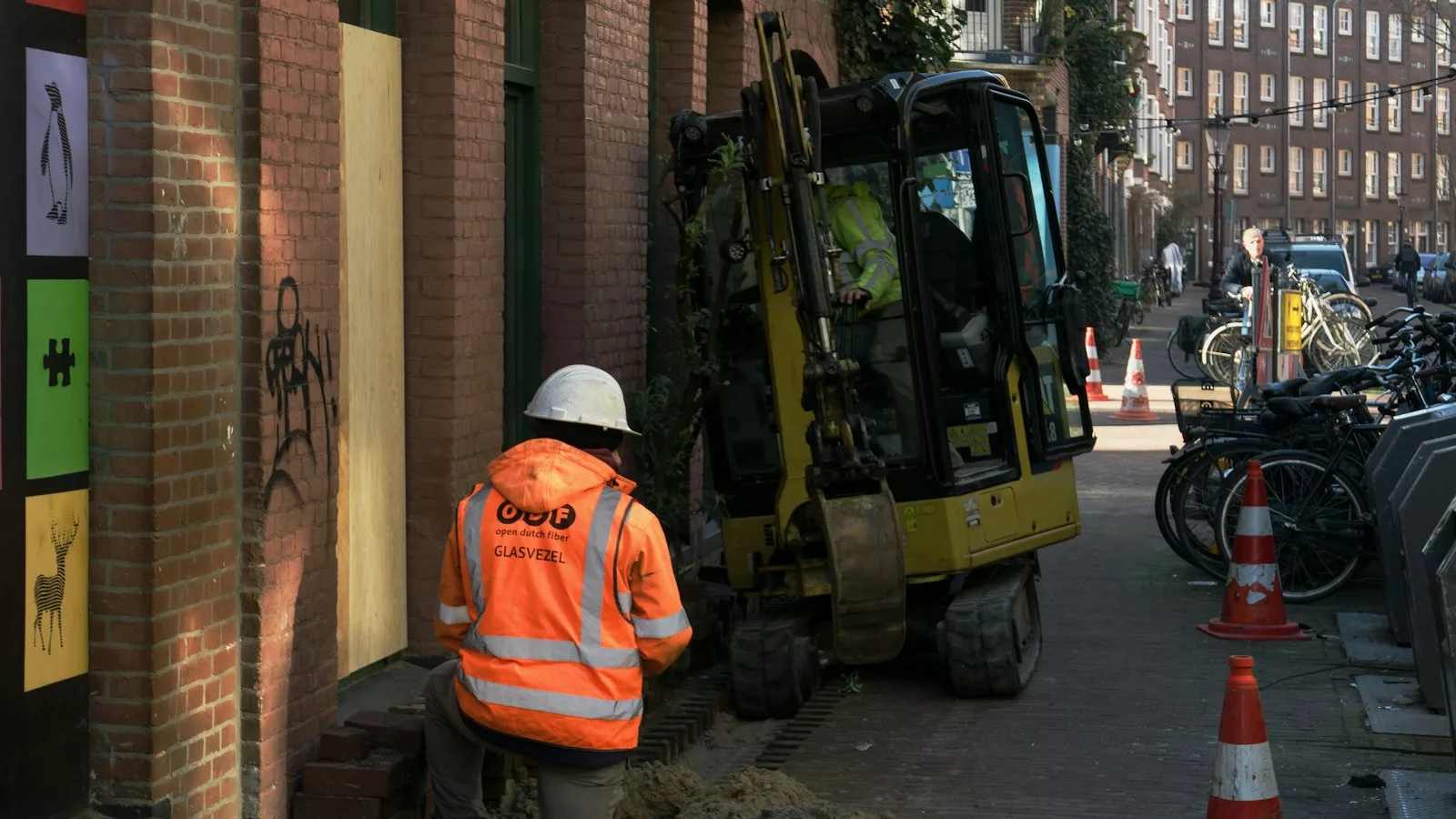
Rural connectivity: a challenge in Spain
The digital divide between urban and rural areas in Spain has been a challenge for years. As everyday life becomes increasingly digitalized, having access to high-speed Internet is no longer a luxury, but a basic necessity. To address this issue, the Government has launched the Rural Connectivity Plan 2026, which aims to bring fiber optics to the most remote areas of the country.
The Rural Connectivity Plan 2026
The Rural Connectivity Plan 2026 is a government initiative that aims to provide access to high-speed Internet in rural areas. This plan foresees a considerable investment in telecommunications infrastructure, in order to ensure that 100% of the population has access to broadband services of at least 100 Mbps by 2026.
Distribution of aid
To achieve these objectives, economic aid has been put in place aimed at telecommunications operators that commit to deploying the necessary infrastructure in these areas. This aid is part of the effort to encourage private investment in regions where it has traditionally not been profitable to deploy fiber optics.
Interested operators can submit their proposals to receive partial financing for deployment. This collaborative approach between the public and private sectors is essential to accelerate the rural connectivity process.
Impact on the sector and the population
The impact of the Rural Connectivity Plan 2026 is expected to be significant, not only for residents of rural areas, but also for the telecommunications sector in general. It is anticipated that the increase in demand for high-speed Internet services will drive innovation and improve competitiveness among operators.
For residents of these areas, access to high-speed Internet will enable better integration into the digital economy, facilitating remote work, access to online education and digital health services, among other benefits.
The role of operators like Bivid Telecom
Operators like Bivid Telecom are evaluating the possibility of participating in this plan, given their commitment to expanding connectivity in underfavored areas. Although deployment in rural areas presents logistical and economic challenges, government aid makes it a viable opportunity to expand their reach.
Conclusion
The Rural Connectivity Plan 2026 is an important step towards reducing the digital divide in Spain. With the support of the Government and the collaboration of the private sector, it is expected that by 2026 the entire Spanish population will have access to high-quality Internet services, thus improving the quality of life and economic opportunities of rural communities.