Symmetric vs asymmetric fiber: Why upload speed matters more than ever?
Introduction to optical fiber: a bit of context
Optical fiber has revolutionized how we connect to the Internet. With speeds that far exceed old ADSL connections, optical fiber has become the preferred option for homes and businesses in Spain. However, not all optical fiber connections are the same, and this is where the concepts of symmetric and asymmetric fiber come into play.
What is symmetric fiber?
Symmetric fiber offers the same upload speed as download speed. For example, if you contract a 100 Mbps symmetric connection, both your download and upload speed will be 100 Mbps. This type of connection is especially advantageous for activities that require sending data to the network, such as video calls, uploading content to the cloud, or live streaming.
What is asymmetric fiber?
In contrast, an asymmetric fiber connection offers different upload and download speeds. Traditionally, asymmetric connections have provided greater download speed than upload speed, because residential internet consumption focused more on downloading content than uploading it.
Example of asymmetric fiber
A common example of asymmetric fiber could be a connection with 300 Mbps download and 100 Mbps upload. This type of connections were more common when internet use focused on content consumption, but the landscape has changed.
The growing importance of upload speed
Today, upload speed is crucial. Remote work, online gaming, videoconferencing platforms and social networks have transformed our connection needs.
Remote work and videoconferences
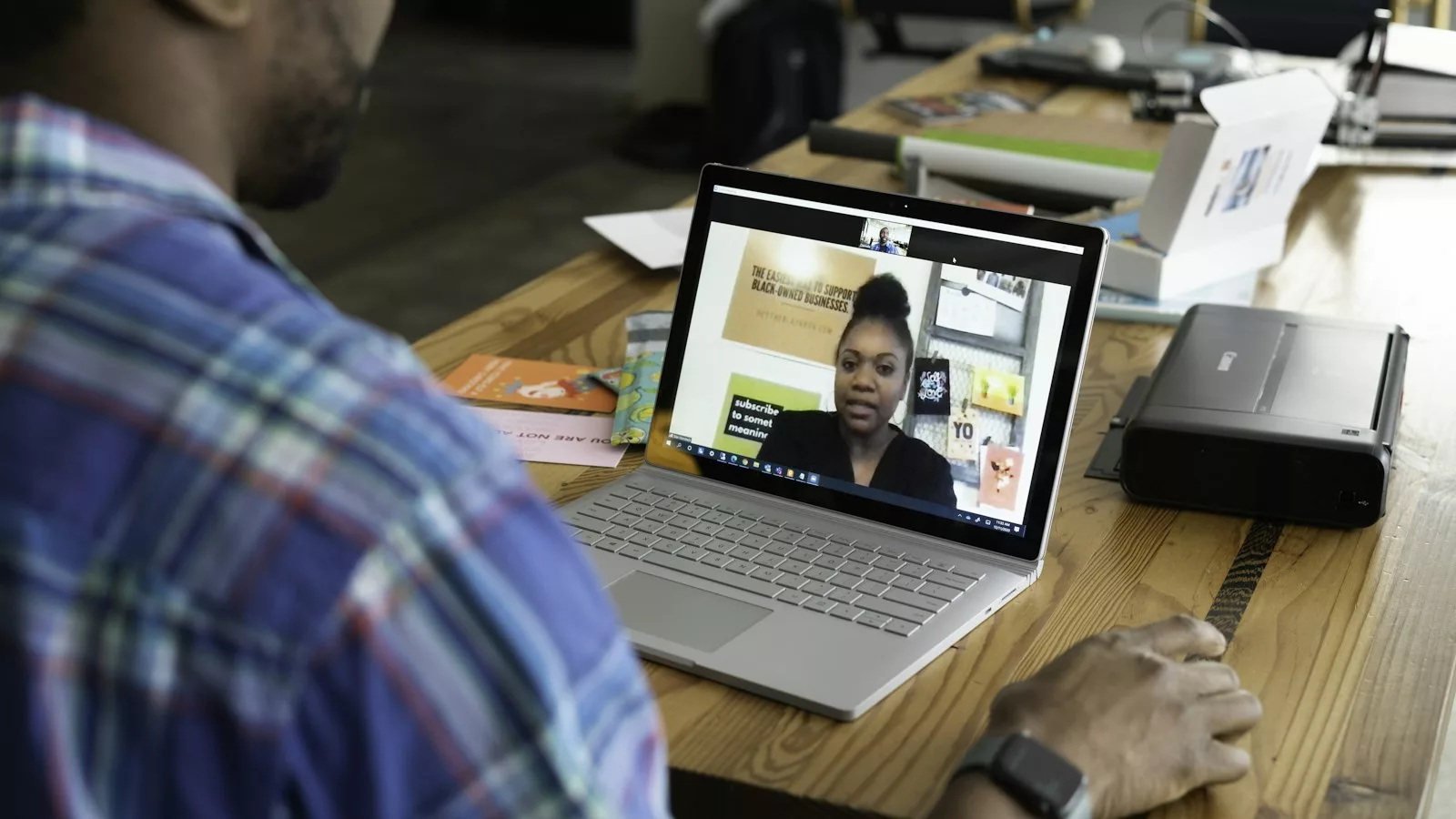
With the rise of remote work, videoconferences have become an essential tool. To ensure good image and sound quality, it is essential to have adequate upload speed.
Streaming and social media
For those who create content on platforms like YouTube or Twitch, or simply share videos on social networks, good upload speed is essential to ensure that content loads quickly and without interruptions.
Comparison of operators in Spain
In the Spanish market, major operators such as Movistar, Vodafone or Orange offer fiber options both symmetric and asymmetric. Bivid Telecom, based in Lleida, also provides symmetric fiber solutions, adapting to the new needs of the modern user.
Conclusions
In an increasingly digital environment, upload speed becomes vitally important. The choice between symmetric and asymmetric fiber will depend on your specific needs, but it is important to be aware of how it can affect your daily experience on the network. With the advancement of technology, having a connection that offers good upload and download speeds becomes a key factor to guarantee an optimal user experience.