Rural fiber in Spain: the Recovery Plan reaches the smallest municipalities
The need for connectivity in rural areas
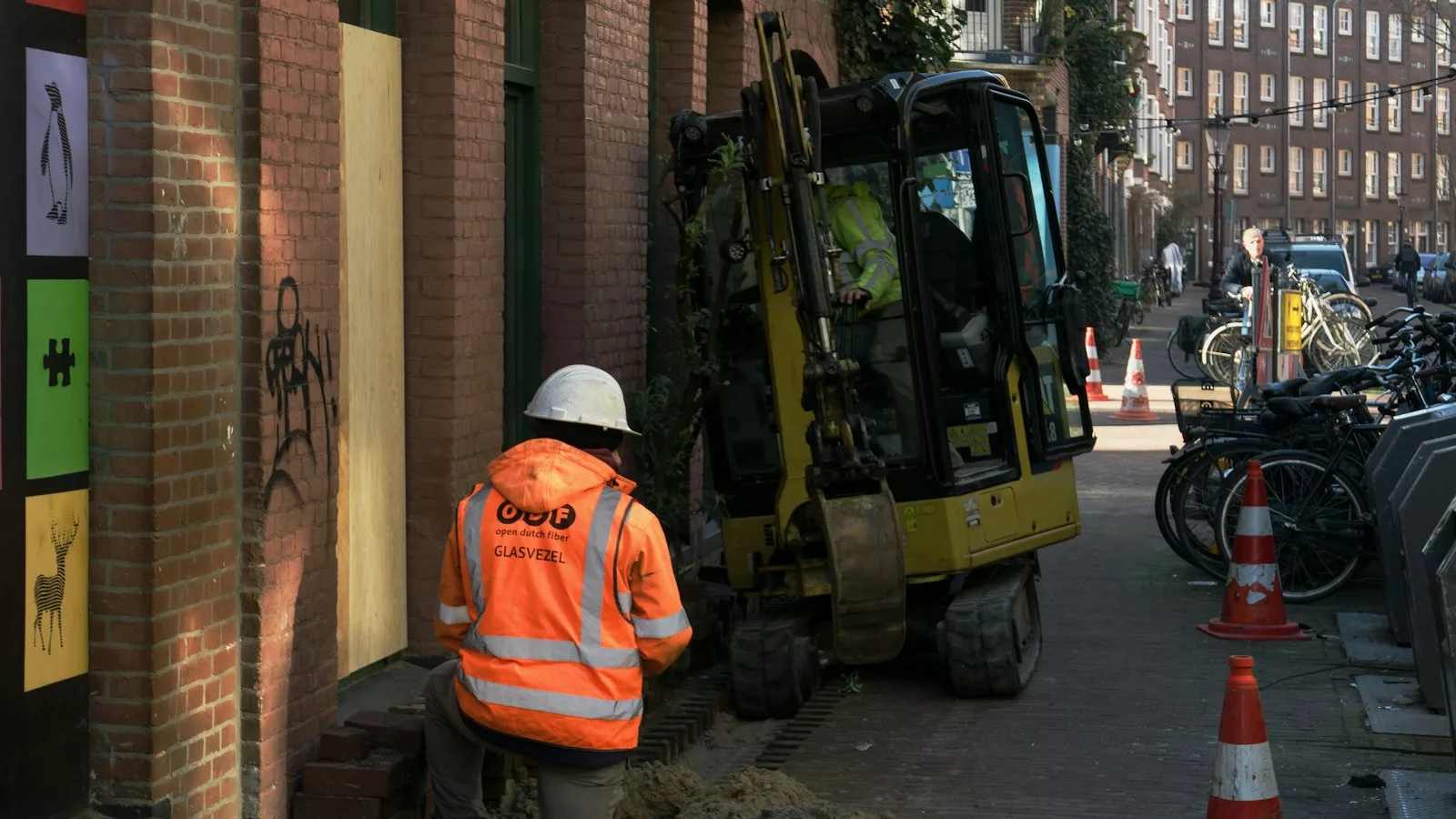
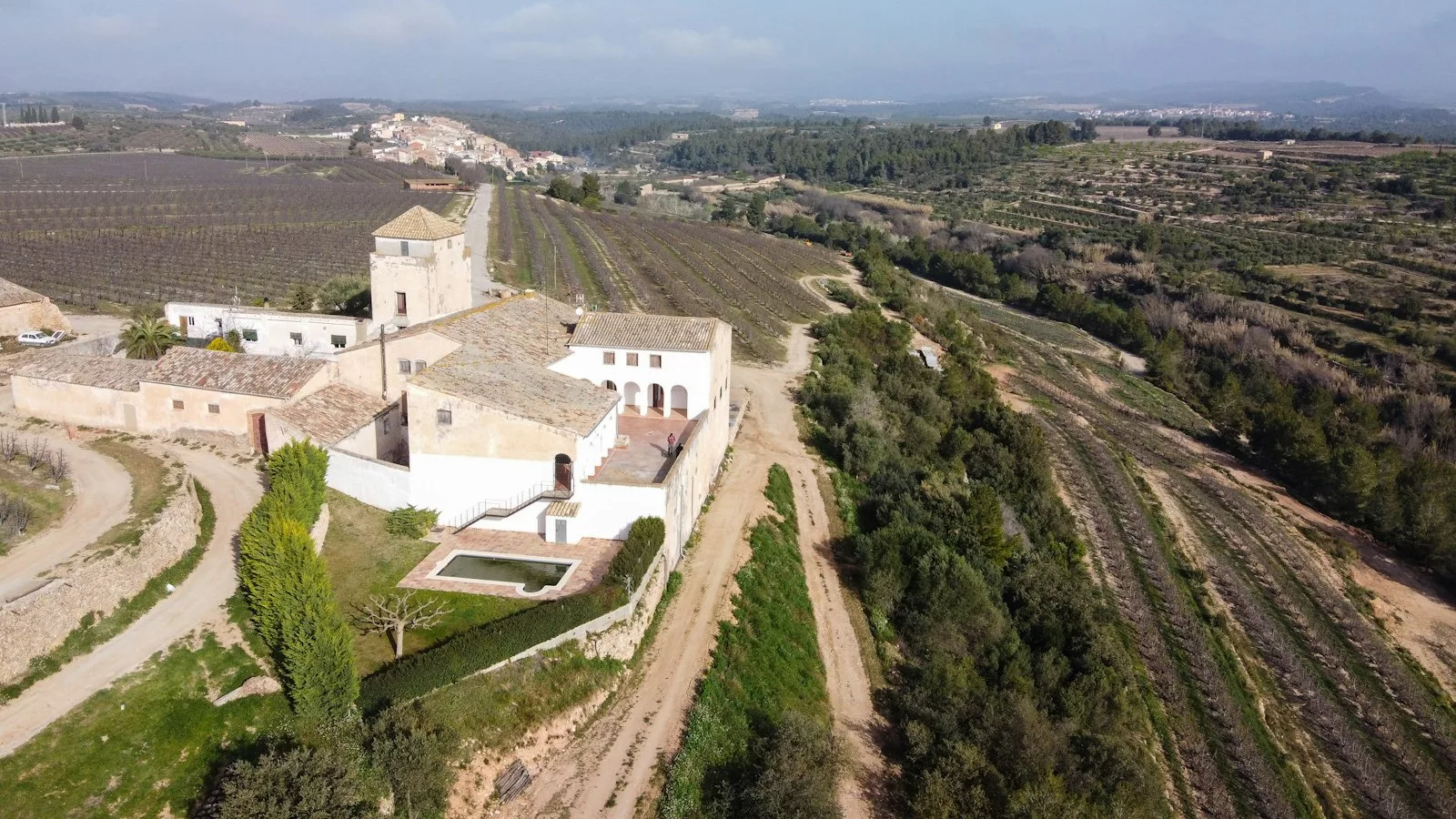
Over the last decade, the digital divide between urban and rural areas in Spain has been a recurring issue. While large cities enjoy ultrafast fiber optic connections, many small municipalities still rely on slow ADSL connections or even unreliable wireless technologies. However, this situation is beginning to change thanks to the Recovery, Transformation and Resilience Plan driven by the Spanish Government.
The Recovery Plan: a boost to digitalization
Within the framework of the Recovery Plan, one of the main goals is to extend fiber optic coverage to rural areas, ensuring that 100% of Spanish territory has access to high-speed internet by 2025. This ambitious objective is accompanied by significant investment, which seeks not only to improve connectivity, but also to promote economic and social development in these areas.
Investments and subsidies
The plan includes a series of subsidies aimed at telecommunications operators to deploy fiber infrastructure in less populated areas. Operators like Movistar, Orange and Vodafone have shown interest in these projects, but there is also room for local and regional players, like Bivid Telecom, that can offer solutions tailored to the specific needs of each community.
Impact on the smallest municipalities
The arrival of fiber optic to the smallest municipalities promises to radically transform their connectivity. With speeds that can exceed 300 Mbps, residents in these areas will be able to enjoy digital services on equal terms as those in cities. This not only improves quality of life, but also opens new opportunities for remote work, distance education and digital entrepreneurship.
Challenges and opportunities
Fiber deployment in rural areas is not without challenges. Geography, population dispersion and economic viability are factors that complicate the process. However, opportunities outweigh challenges. Improvement of digital infrastructure can attract new residents, revitalize local economies and reduce depopulation.
The role of local operators
Local operators, like Bivid Telecom, play a crucial role in this process. Thanks to their knowledge of the terrain and closer relationships with communities, they can offer more personalized and efficient service. Furthermore, their presence helps foster competition, which can translate into better prices and services for consumers.
A promising future
With the progress of these projects, the future of connectivity in rural areas of Spain looks promising. Fiber optic is not just a technological tool, but a gateway to a world of economic and social possibilities that can radically transform life in the smallest municipalities in the country.